
There’s a moment I keep coming back to. It’s 1993, I’m a kid in Michigan, and I’ve just spent hours downloading Second Reality from a local BBS at 14.4 kbps. When that demo finally runs on my 486—impossible graphics pulsing to a soundtrack that shouldn’t exist on PC hardware—something fundamental shifts. Computing isn’t just useful anymore. It’s art.
That moment set the trajectory for everything that followed. And now, fifteen years into a professional engineering career, I find myself at another inflection point—one that feels equally significant.
The Path That Got Me Here
My career hasn’t followed a straight line. It’s been more like the modular architecture of that Second Reality demo: distinct parts, each building on what came before, unified by a consistent thread of building things that matter.
I’ve spent over a decade building scalable systems across enterprise environments. I’ve led teams where 75% of the developers I mentored went on to earn promotions. I’ve architected platforms serving 200,000+ users and driven 65% latency reductions on critical systems. The numbers tell part of the story, but they don’t capture what actually drives me.
What I’ve learned is that the most fulfilling work happens at intersections: where technology meets real human needs, where constraints force creativity, where building something right matters more than building something fast.
The AI Integration Frontier
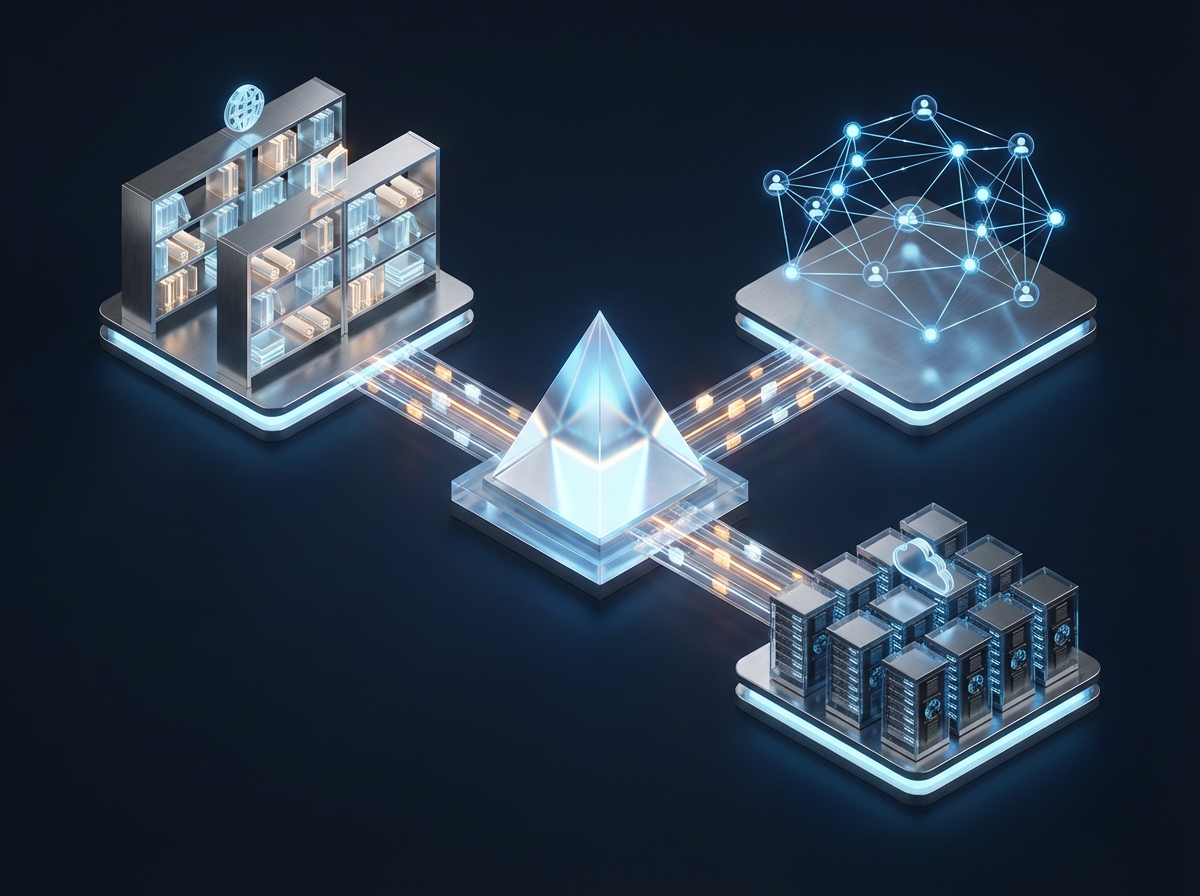
The last couple of years have been transformative. I’ve become deeply involved in the Model Context Protocol (MCP) ecosystem, building some of the first servers connecting AI assistants to decentralized social networks, offline knowledge bases, and even vintage internet protocols.
When I built the AT Protocol MCP Server—the first of its kind for Bluesky—it wasn’t just a technical exercise. It was about understanding how AI systems can participate meaningfully in social spaces while respecting the decentralized principles those networks embody. The OpenZIM MCP Server lets AI search millions of Wikipedia articles offline. The ActivityPub MCP Server connects AI to the Fediverse’s millions of users.
These projects taught me something important: AI integration isn’t about bolting capabilities onto existing systems. It’s about thoughtfully bridging worlds—understanding both the technical protocols and the human communities they serve.

What I’ve Learned About Building
Fifteen years of building has crystallized a few principles I keep returning to:
Constraints breed creativity. Those demoscene developers working with 450KB memory budgets produced work that still inspires. The best solutions I’ve shipped emerged from tight constraints—limited time, specific hardware, demanding performance requirements. When you can’t throw resources at a problem, you learn to think more carefully about the problem itself.
Architecture enables collaboration. Good systems aren’t just technically sound; they let teams work effectively. The best code I’ve written made it easier for others to contribute. The best teams I’ve led created structures where everyone could do their best work.
Performance is a feature. Every millisecond matters. Users experience latency, not architecture diagrams. I’ve spent significant time optimizing systems because I believe responsive software respects users’ time.
Build for preservation. When I built ClaytonRye.com for my father’s 77th birthday—honoring five decades of his documentary work giving voice to the voiceless—I was reminded why we build at all. Not for metrics or engagement, but to create things that endure. His films preserve stories that would otherwise be lost. Good software should aspire to similar permanence.
Looking Forward
I’m at a point where I’m ready for the next challenge. After years of building, leading, and pioneering new integration patterns, I’m looking for an opportunity where I can contribute at a senior or staff level while continuing to grow.
What excites me most right now:
AI Integration at Scale. Not chatbots or simple API wrappers, but thoughtful integration of AI capabilities into production systems. The MCP work I’ve done is just the beginning. There’s enormous potential in building AI systems that are secure, observable, and genuinely useful.
Technical Leadership. I’ve mentored dozens of developers and consistently helped teams level up. I want to continue building environments where engineers thrive—where they’re challenged, supported, and positioned to do career-defining work.
Systems That Matter. Whether it’s preserving historical knowledge, connecting communities, or solving meaningful problems, I’m drawn to work with genuine impact. Life’s too short to optimize engagement metrics on apps that make people worse off.
What I bring to the table:
- Full-stack depth across TypeScript, React, Node.js, .NET/C#, Python, and Rust
- Production experience with AWS, Docker, PostgreSQL, and modern infrastructure
- Deep expertise in AI/LLM integration, particularly the Model Context Protocol
- Proven ability to lead teams, mentor developers, and drive architectural decisions
- A portfolio of open-source projects demonstrating both technical skill and creative vision
The Human Side
Beyond the technical work, I’ve learned that the best engineering happens in environments with psychological safety, clear communication, and genuine care for both the product and the people building it. I thrive on collaborative teams where diverse perspectives are valued and where we can disagree productively.
I’m Michigan-based and open to remote or hybrid arrangements. I’m looking for full-time opportunities, though I’m open to contract-to-hire for the right role.
What I’m Looking For
Ultimately, I’m searching for a team where I can make a meaningful contribution—where my experience adds value and where I’ll continue learning from talented colleagues. I want to build things that matter, work with people I respect, and grow as an engineer and leader.
If you’re building something interesting and looking for a senior engineer who brings both technical depth and genuine care about getting things right, I’d love to talk.
Interested in working together? Visit my Hire Me page or view my full resume. You can also find me on GitHub, LinkedIn, or the Fediverse.
Was this helpful?
Have questions about this article?
Ask can help explain concepts, provide context, or point you to related content.